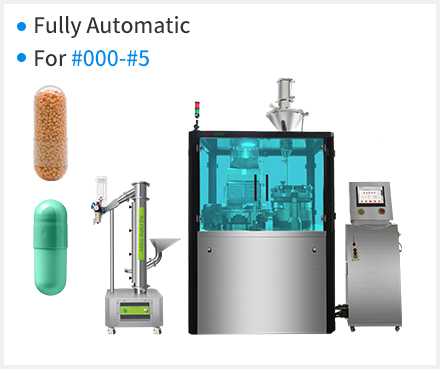
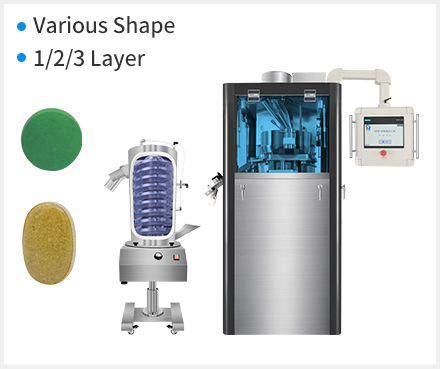
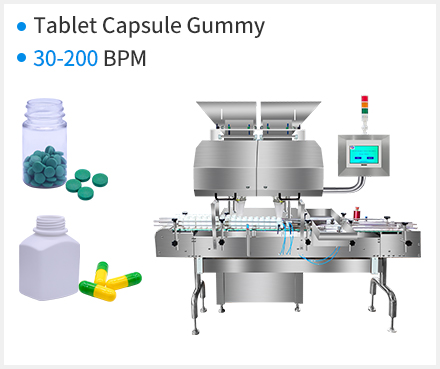
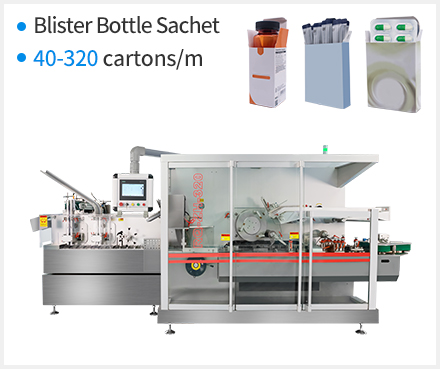
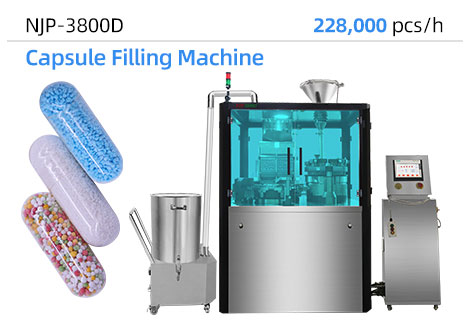
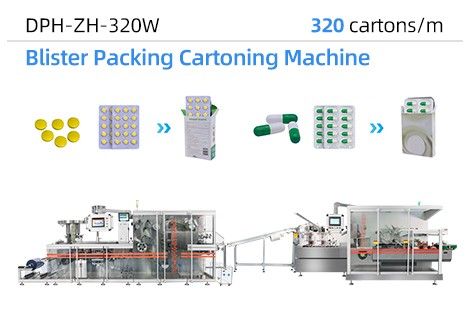
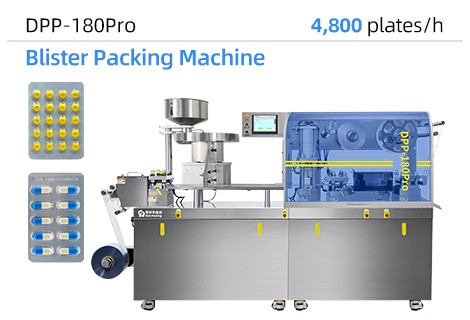
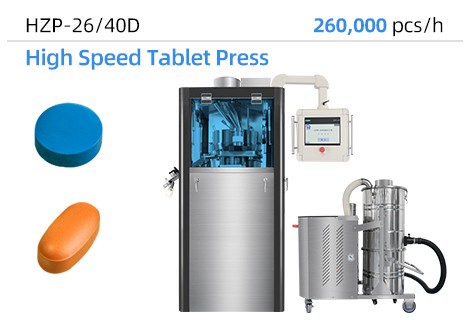
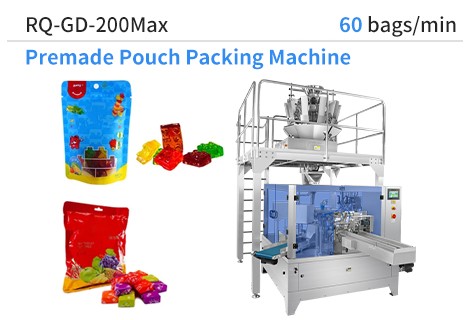
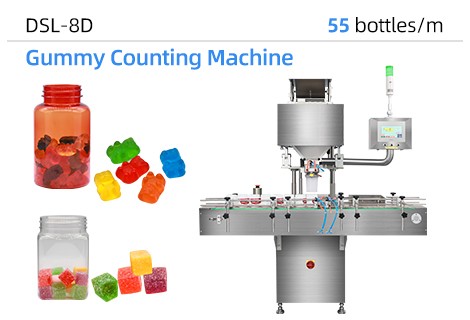
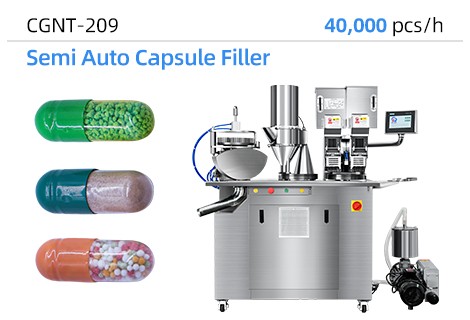
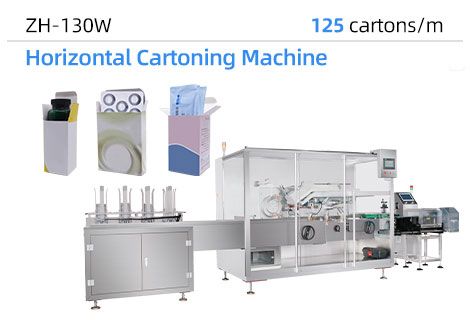
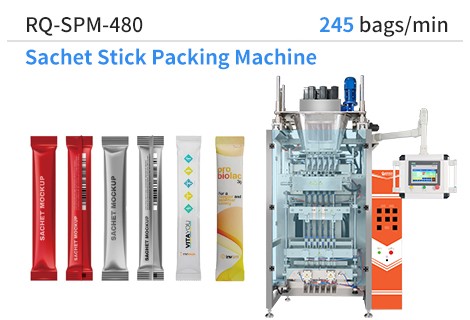
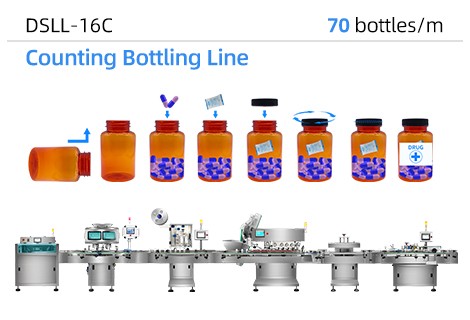
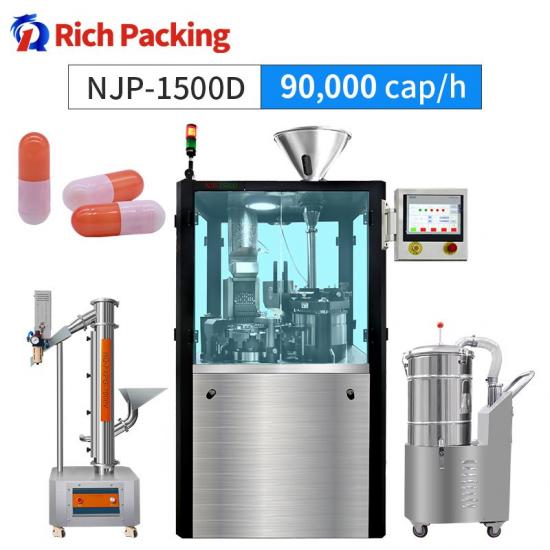
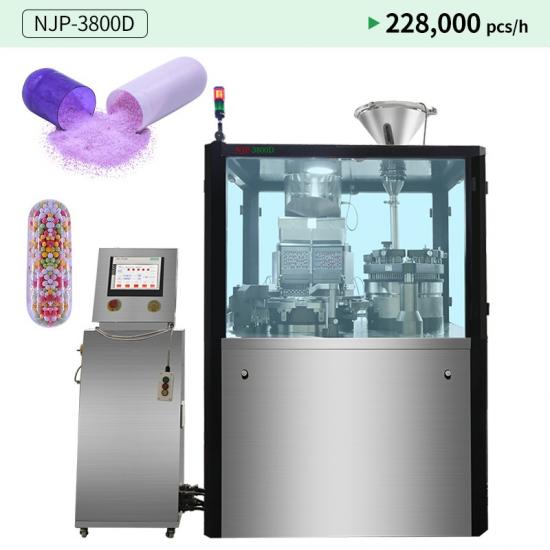
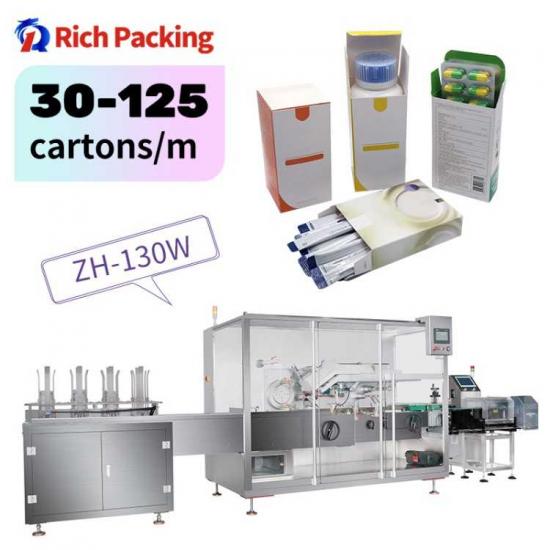
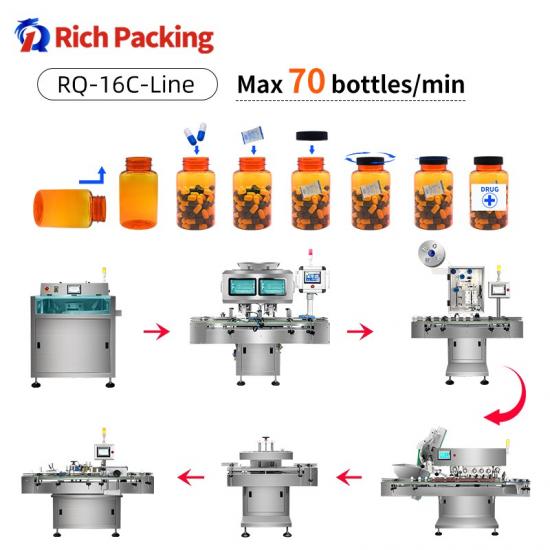
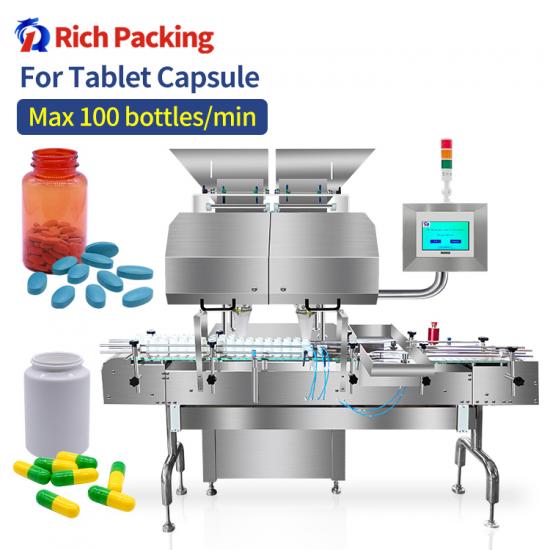
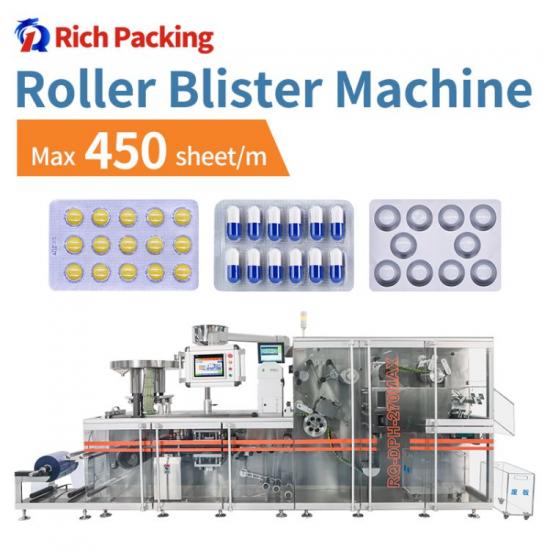
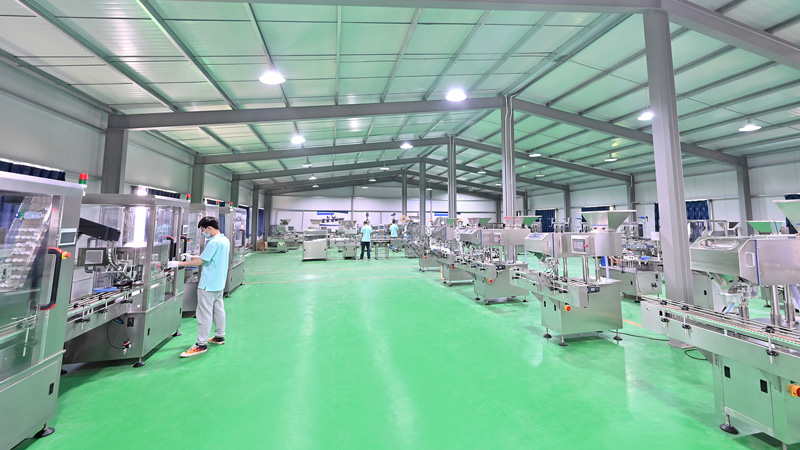
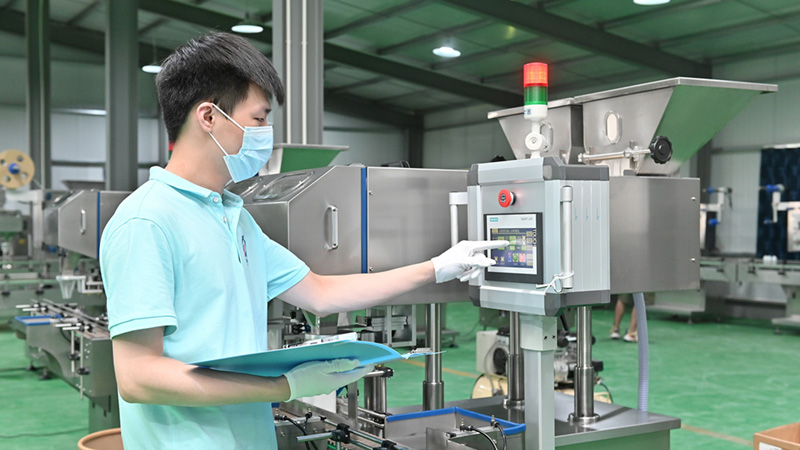
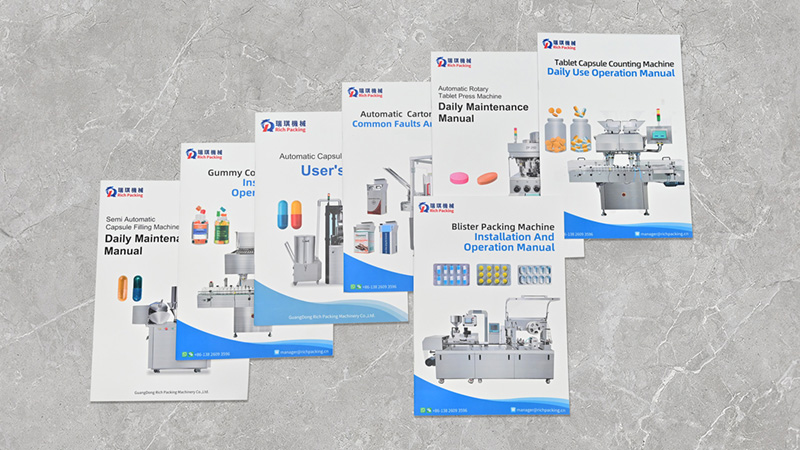
We can provide you with comprehensive solutions for the production and packaging of solid dosage forms.

Top-selling pharmaceutical processing & packaging machines trusted by global manufacturers.
Professional pharmaceutical equipment manufacturer delivering reliable machinery, customized solutions and full-lifecycle technical support.

Welcome to Guangdong Rich Packing Machinery Co., Ltd.
About UsWelcome to Guangdong Rich Packing Machinery Co., Ltd.
Factory


Welcome to Guangdong Rich Packing Machinery Co., Ltd.
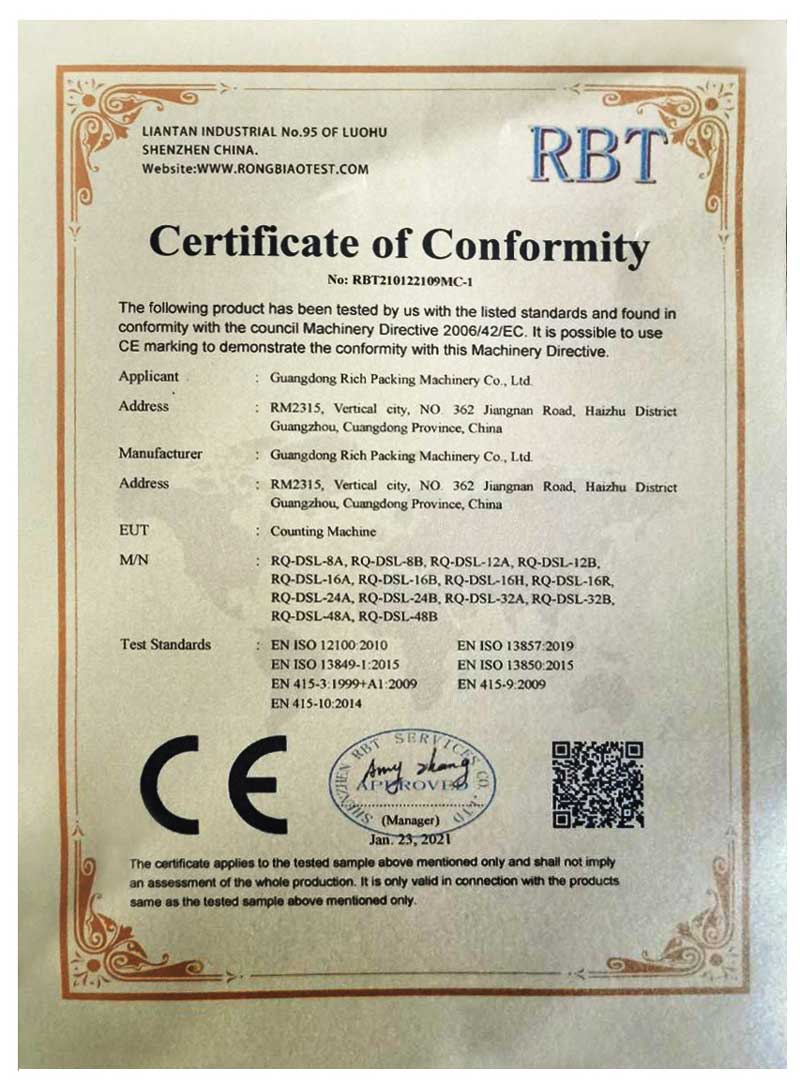
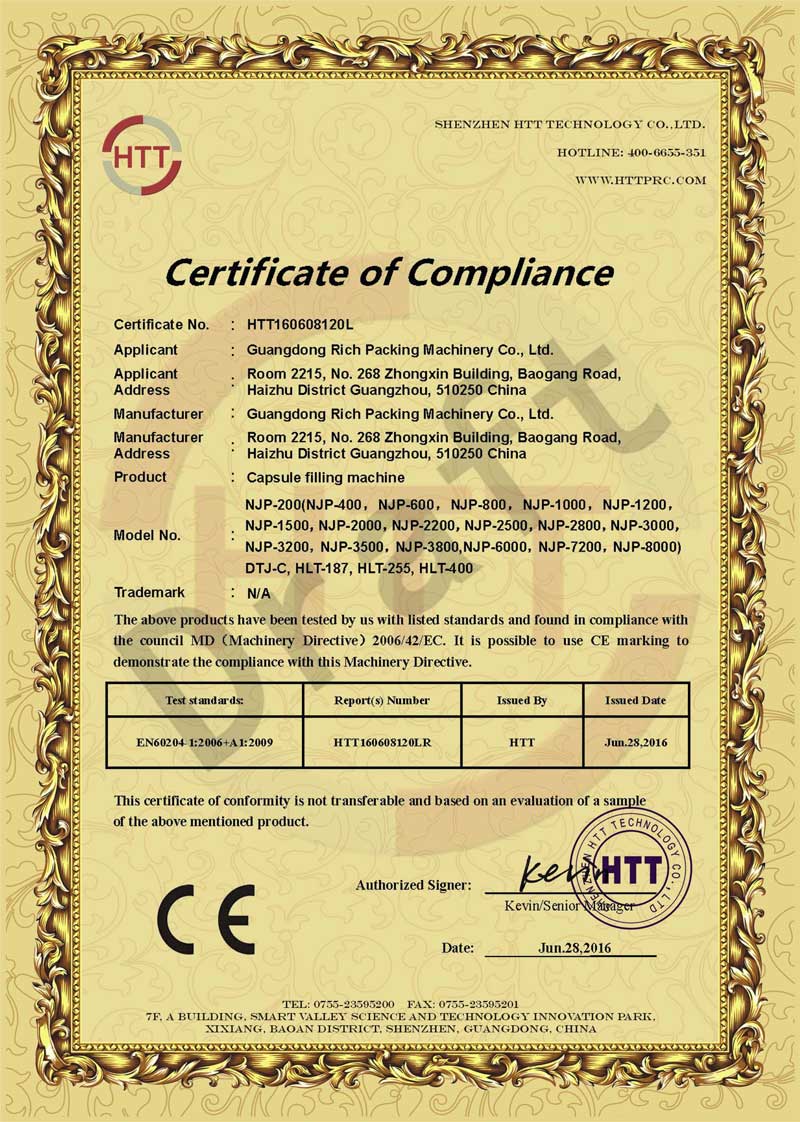
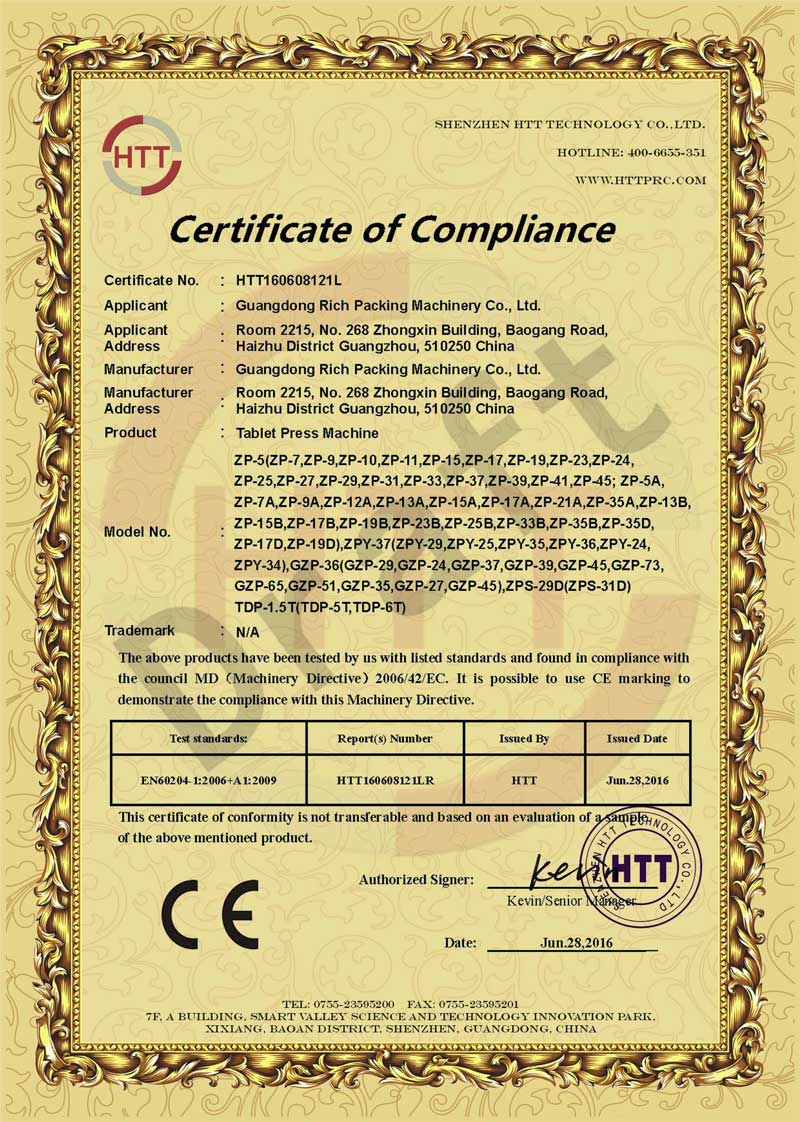
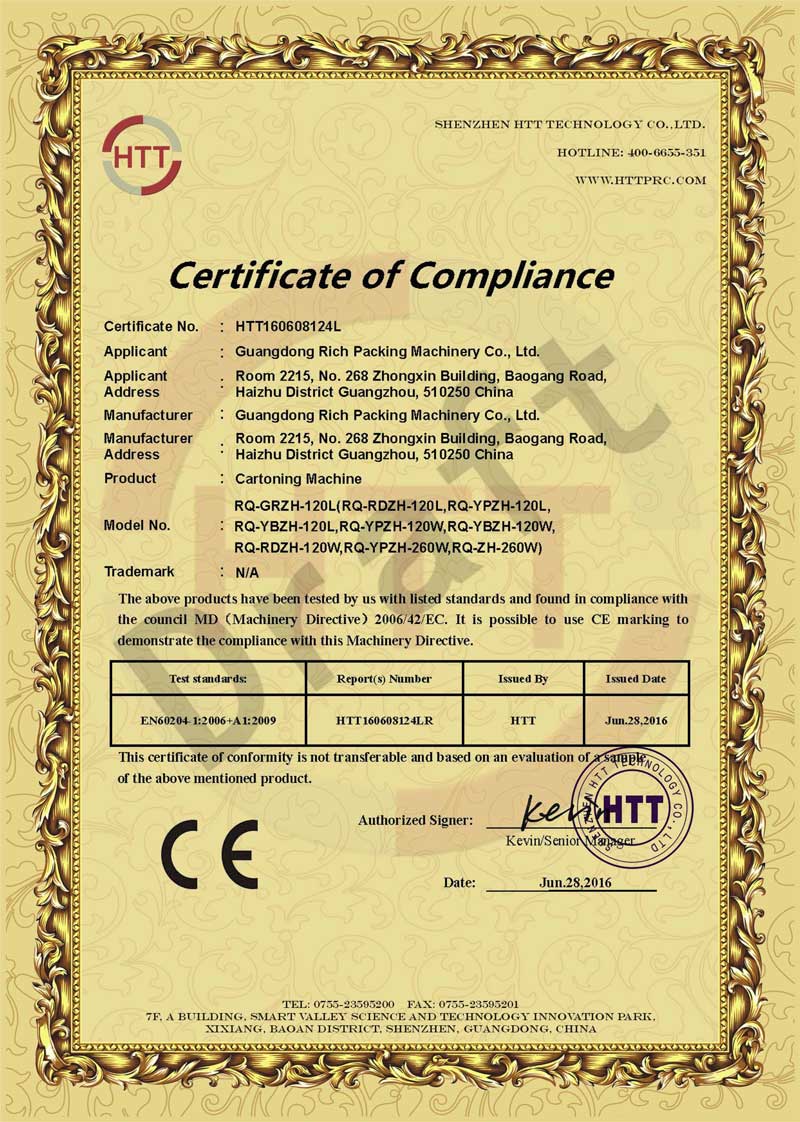
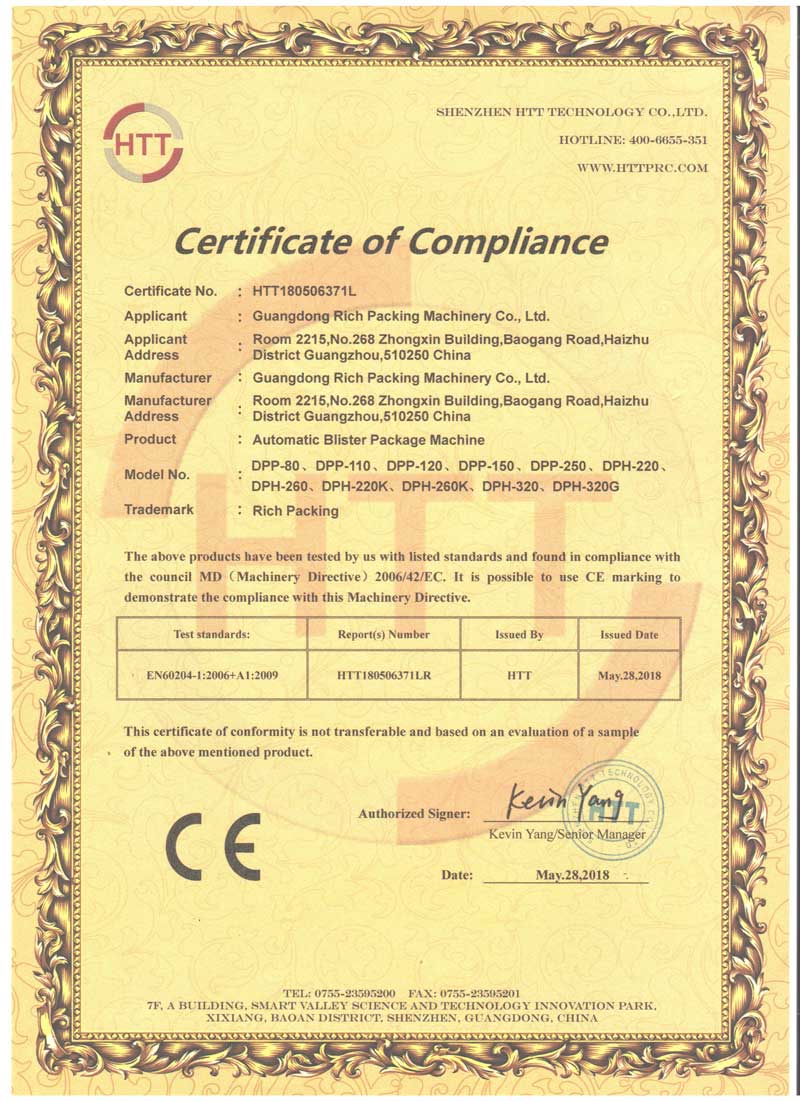
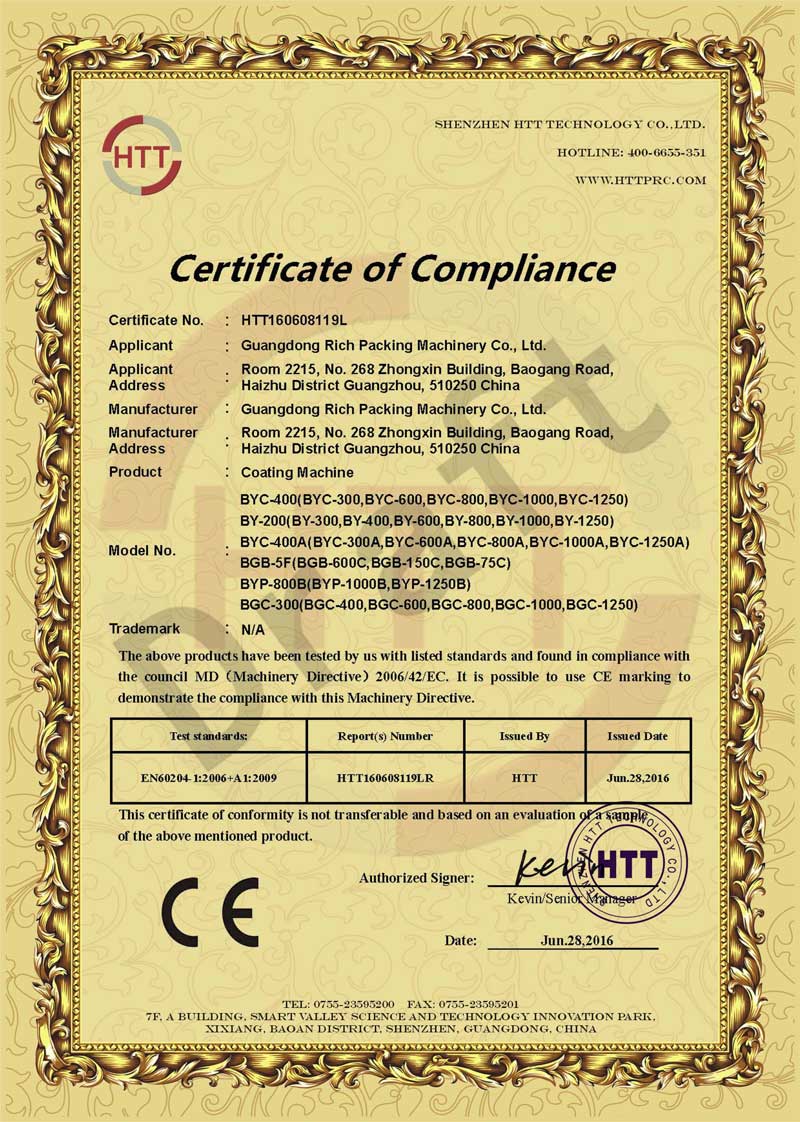
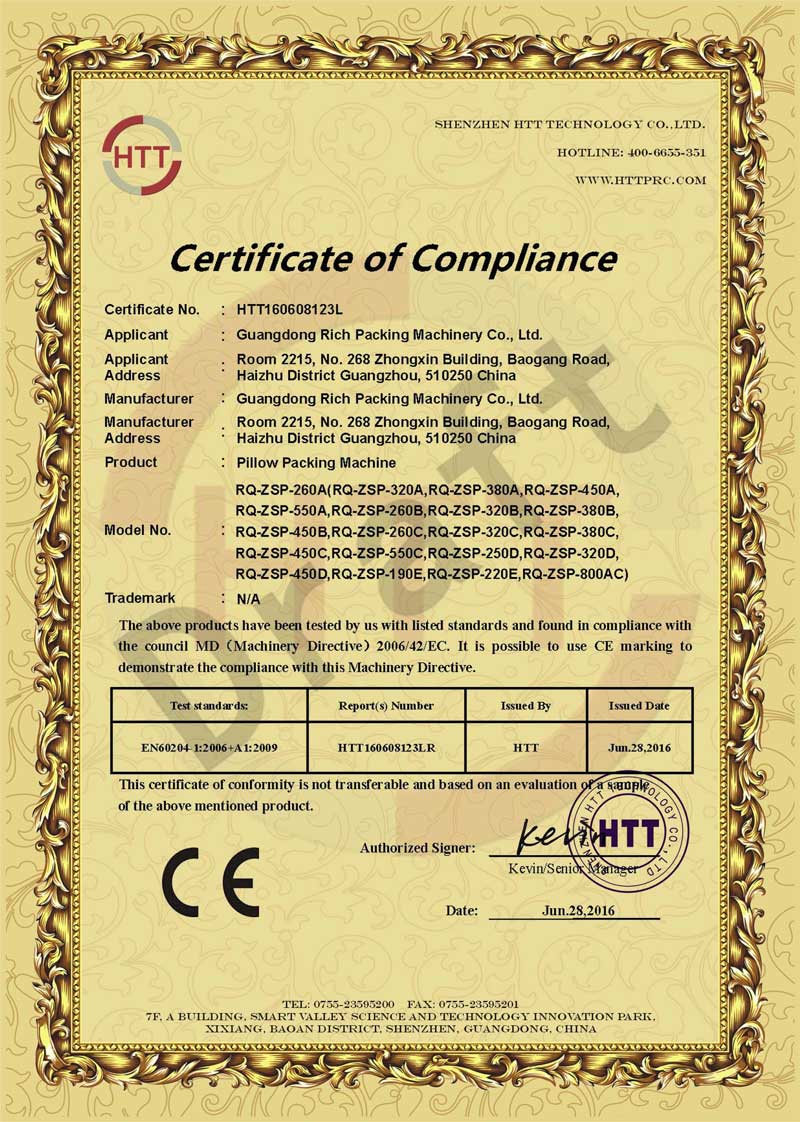
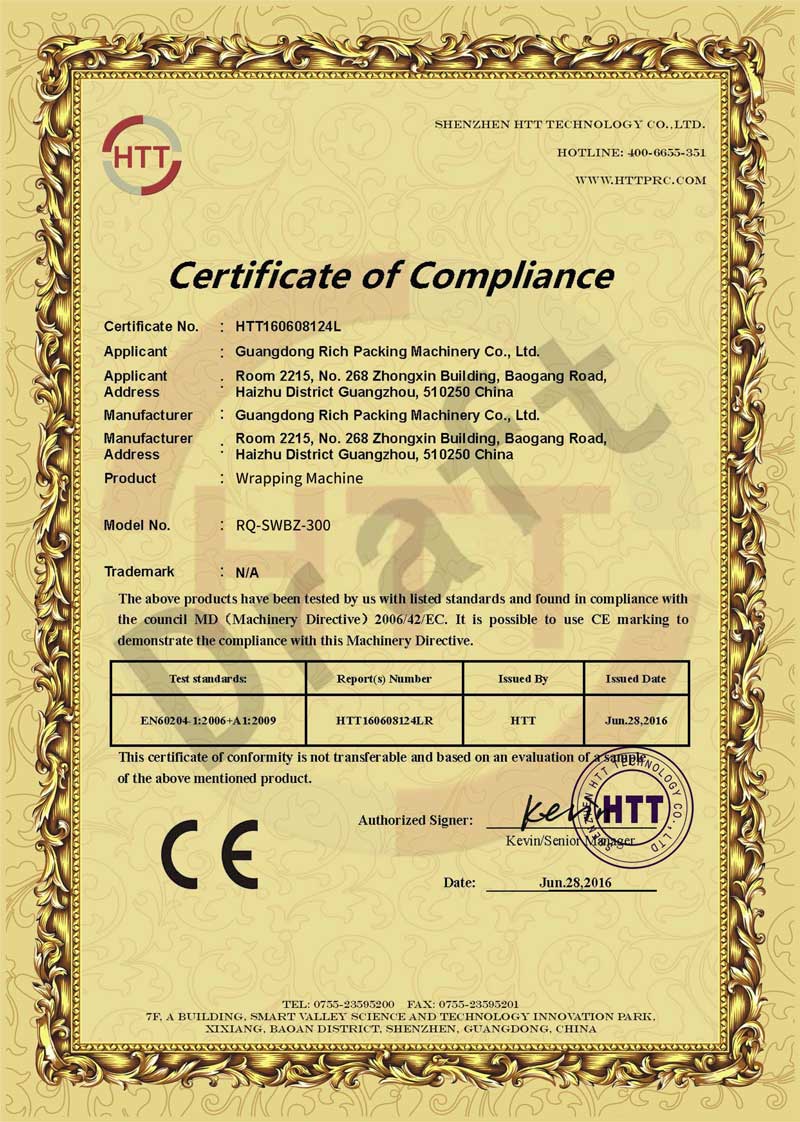
Certificate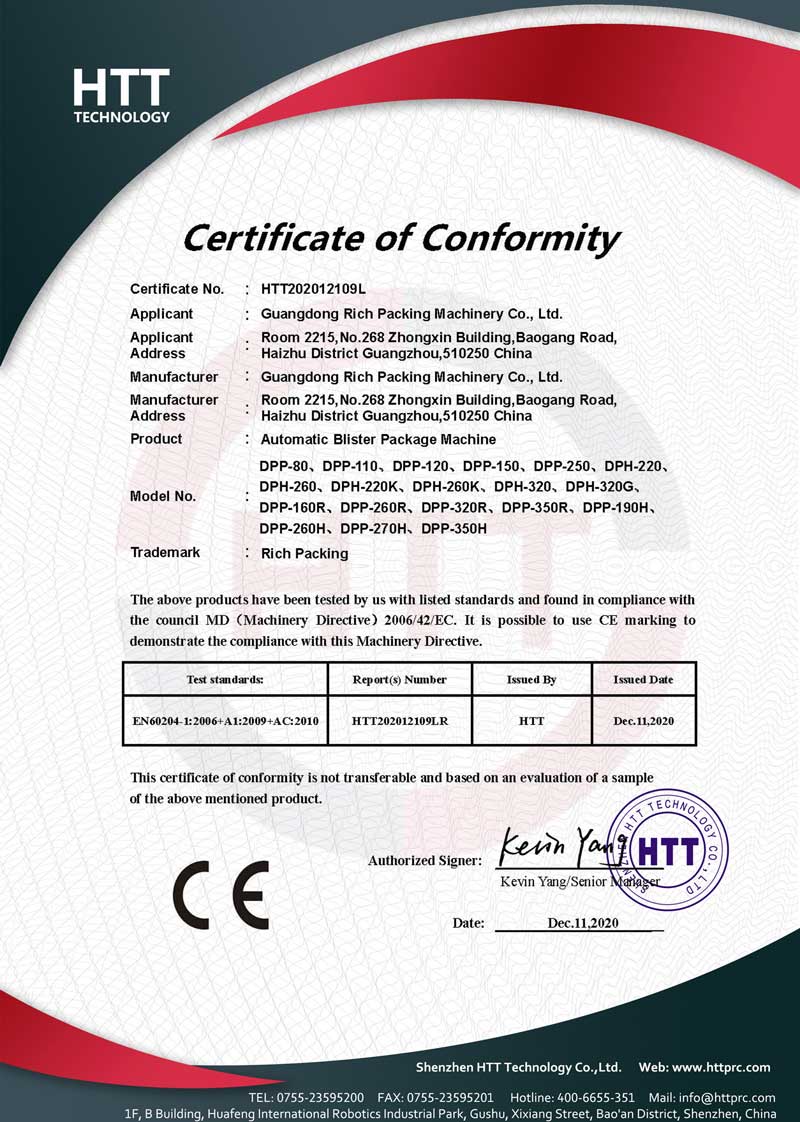


Stay updated on our new products, exhibitions, customer projects and technical updates.

Milan, Italy, October 8, 2026 — Guangdong Rich Packing Machinery Co., Ltd. has concluded its participation in CPHI Milan 2026, held from October 6 to 8 at Fiera Milano. At booth 9C84, the pharmaceutical machinery manufacturer showcased its NJP-1500D automatic capsule filling machine and DPP-180Pro blister packaging machine, drawing visitors interested in solid dosage manufacturing and packaging equipment. During the three-day event, Rich Packing's representative Sara welcomed visitors, introduced the machines and answered questions about their technical specifications and applications. Pharmaceutical Manufacturing Equipment Draws Attention at Booth 9C84 The two machines displayed at the booth covered different stages of pharmaceutical production: filling hard capsules and packaging solid dosage forms in blister packs. Visitors examined the equipment, reviewed product information and spoke with Sara at the stand. The discussions provided a useful opportunity to address machine selection, production requirements and the technical details relevant to different pharmaceutical applications. Visitors speak with Rich Packing representative Sara at booth 9C84 The booth also featured information about Rich Packing's wider machinery portfolio, including tablet presses, electronic counting machines, cartoning machines and integrated pharmaceutical packaging lines. NJP-1500D: High-Speed Capsule Filling with Practical GMP Design Features The NJP-1500D automatic capsule filling machine delivers a rated output of up to 90,000 capsules per hour and supports hard capsule sizes #000 to #5. It automates capsule separation, powder or granule filling, locking, defective-capsule rejection and finished-product discharge. Its modular design allows tooling changes in approximately 15 minutes under specified conditions, helping reduce equipment downtime between capsule formats. The machine also features a patented sealed turntable, automatic lubrication and 316 stainless steel product-contact components. These design details are relevant to pharmaceutical manufacturers operating under Good Manufacturing Practice (GMP) requirements, where equipment cleanability, maintenance and control of powder residue are important for managing cross-contamination risks during batch changeovers. DPP-180Pro: Flexible Blister Packaging with Quick-Change Tooling The DPP-180Pro blister packaging machine was the second machine showcased at the exhibition. With a rated capacity of up to 4,800 blister packs per hour, it uses servo-driven film traction and PLC control to package tablets, capsules and other compatible products. The machine supports PVC/Alu and Alu/Alu blister packaging configurations. Its modular pull-out tooling allows mold installation in approximately 10 minutes, while external adjustment handwheels simplify alignment between forming, heat-sealing and cu...

Milan, Italy — October 8, 2026 — Rich Packing successfully concluded its participation in CPHI Milan 2026, held from October 6 to 8 at Fiera Milano, Italy. The three-day exhibition brought together pharmaceutical manufacturers, equipment suppliers, and industry professionals from around the world, creating valuable opportunities for technical exchange and international cooperation. Throughout the exhibition, the Rich Packing booth attracted a continuous flow of visitors. Our sales and technical teams were fully engaged in demonstrating our NJP series automatic capsule filling machine and DPP series blister packing machine, answering technical questions, and discussing pharmaceutical production and packaging solutions with both new and existing customers. For Rich Packing, CPHI Milan was more than an opportunity to showcase pharmaceutical machinery. It was a reflection of our growing presence in Europe, supported by our comprehensive pharmaceutical processing and packaging solutions, including blister packing machines, gummy counting lines, stick pack machines, and cartoning machines, as well as successful customer partnerships and our continued commitment to European regulatory requirements. From On-Site Orders to Client Recommendations: Trust Built Through Experience Among the highlights of CPHI Milan 2026 was the on-site purchase of an NJP-1500D Automatic Capsule Filling Machine by a visiting customer. This purchase reflected the value of face-to-face communication, where manufacturers could examine equipment, discuss technical specifications, and evaluate solutions for their production needs. Another memorable moment came when a long-standing Rich Packing client from Poland Michał Kowalski from Poland introduced our the NJP-1500D capsule filler and services to a prospective customer Jan Novák from prospective customer from Czechia. Rather than simply listening to a sales presentation, the new visitor was able to hear directly from an experienced customer in local language about working with Rich Packing. Such recommendations demonstrate the importance of real customer experience in building confidence and establishing new business relationships. We were also pleased to welcome a returning clients from Croatia Atlantic Grupa who had previously purchased one of our high-speed rotary tablet press machines HGZP-40D. Their visit provided another opportunity to reconnect, exchange feedback, and discuss future production requirements. These interactions represented one of the most valuable outcomes of the exhibition. From first-time buyers to long-standing partners, the relationships we continue to build with European pharmaceutical manufacturers are becoming an increasingly important foundation for Rich Packing's international growth. Europe as a Strategic Market: Our Commitment to Evolving Compliance Standards Europe is one of...

The three-day CPHI Shenzhen 2026 exhibition successfully concluded on September 18. From September 16 to 18, Rich Packing welcomed pharmaceutical and nutraceutical manufacturers, distributors, and industry professionals from China and overseas at Booth 8C36. With its comprehensive equipment portfolio, professional technical team, and one-stop service, Rich Packing attracted considerable attention throughout the exhibition. Many visitors came to the booth to learn about our machinery and discuss their production and packaging requirements with our professional team. The exhibition also provided an excellent opportunity for Rich Packing to demonstrate its technical capabilities and further strengthen communication with customers from different markets. Rich Packing attracted lots of attention from visitors all over the world On-Site Demonstration: Learn about Our Machines in Operation One of the highlights of Rich Packing's participation was the live demonstration of multiple pharmaceutical packaging machines. To give visitors a more direct understanding of our equipment performance, we brought a range of machines covering different stages of pharmaceutical production and packaging, including a bottle unscrambler, 16-lane vision counting machine, capping machine as parts of tablet capsule counting line, HGZP-26D high speed tablet press machine, DPP-180Pro blister packing machine, chiller, and NJP-1500D capsule filling machine. Visitors were able to observe the machines running on site and communicate directly with our engineers. Our technical team introduced the operating principles, key configurations, production capabilities, and application scenarios of the equipment while answering visitors' questions about their specific production requirements. The live demonstrations allowed customers to gain a more practical understanding of the equipment rather than relying solely on product specifications. Visitors showed strong interest in the machines' performance, automation capabilities, production efficiency, and stable operation. Our sales manager was introducing DPP-180pro blister packing machine to customers Customized Solutions and Comprehensive After-Sales Service In addition to showcasing machines, Rich Packing also held detailed discussions with many potential customers regarding their specific production projects. During the exhibition, our sales team worked closely with visitors to understand their products, production capacity, packaging formats, and other requirements. Based on this information, our team discussed customized solutions with customers, ranging from individual equipment to complete production and packaging lines. Rich Packing's one-stop service was another important topic during these discussions. Beyond supplying machinery, we provide support throughout the equipment lifecycle, including solution design, delivery, installation and commissioning, ope...

The three-day Pharmaconex 2026 concluded successfully on September 3 at the Egypt International Exhibition Center in Cairo, Egypt. From September 1 to 3, the exhibition brought together pharmaceutical manufacturers, packaging equipment suppliers, industry professionals, and business representatives from around the world. Rich Packing participated in the exhibition at Booth H4.H31, showcasing its comprehensive pharmaceutical packaging solutions and professional service capabilities. Throughout the three-day event, the booth attracted considerable attention from visitors and provided an excellent platform for face-to-face communication and potential cooperation. Rich Packing attracted considerable attention from visitors at Pharmaconex 2026. Meeting Customers and Exploring New Opportunities During the exhibition, Rich Packing's sales manager was present at Booth H4.H31 to welcome visitors and discuss their production needs. Many visitors came to learn more about our pharmaceutical packaging machinery and production lines. At the same time, a number of customers who had contacted our team before the exhibition also accepted our invitation and visited Booth H4.H31 for detailed, face-to-face discussions. Our sales team communicated closely with them, gaining a deeper understanding of their requirements and developing customized packaging solutions. The continuous flow of visitors and active discussions throughout the three-day Pharmaconex 2026 demonstrated the strong interest of pharmaceutical manufacturers in efficient and reliable packaging solutions. Rich Packing's sales manager discussed packaging solutions with visitors. Complete Pharmaceutical Packaging Solutions One of the key focuses of the discussions was Rich Packing's complete range of pharmaceutical manufacturing and packaging machinery. Our team introduced visitors to solutions covering different stages of pharmaceutical production and packaging, from individual machines to integrated production lines. Our products cover capsule filling machines and tablet presses for primary pharmaceutical manufacturing, as well as packaging solutions including blister packing machines, tablet and capsule counting lines, stick packing machines, cartoning lines, and auxiliary machines for the complete production process. Based on customers' products, production capacity, packaging formats, and other specific requirements, Rich Packing can customize machines to provide solutions ranging from standalone equipment to complete pharmaceutical packaging lines. Display of finished products manufactured and packaged using Rich Packing machinery. One-Stop Service for Long-Term Support In addition to its quality machinery, Rich Packing also highlighted its comprehensive full-cycle service system during Pharmaconex 2026. From solution design and equipment selection to installation, commissioning, operator trainin...

Rich Packing Showing Industrial Competence in Line with CPHI Vision On 16 June, Rich Packing made a wonderful showcase of its pharmaceutical packaging demonstrations and professional solutions for global visitors on the first day of CPHI Shanghai 2026 at Booth N1C10 in Shanghai New International Expo Center. As one of Asia's largest and most influential pharmaceutical industry exhibitions, CPHI China brings together the entire pharmaceutical value chain, and connects manufacturers, suppliers, and buyers in one integrated business platform. From industry leaders to the start-ups and SMEs, this important event builds an international network of more than 110,000 attendees and over 3600 exhibitors around the world. It is not just an exhibition, but a strategic industry event that indicates China’s role as a global pharmaceutical manufacturing hub and promotes ideas of advanced manufacturing and international collaboration. Perfectly reflecting the vision of CPHI Shanghai 2026, Rich Packing presents its innovation, industrial competence and professional solutions with the advanced packaging machine on the spot. From pharmaceutical machine such as tablet press machine and automatic capsule filler, to packing machine such as blister packing machine and capsule tablet counting line, Rich Packing provides diversified and customized packaging solutions for different application scenarios and different client demands. Highlights: Applicable Solutions Showcased through Live Operation Demonstration During the exhibition, Rich Packing’s on-site operation demonstration has attracted visitors, buyers and pharmaceutical manufacturers worldwide. Various pharmaceutical and packaging equipment is placed on the spot, including: ● HGZP-55D high-speed tablet press machine ●Bottle unscrambler + 16-lane visual counting machine with rejection function + capping machine + labeling machine ● 8-lane stick packing machine ● NJP-400C and NJP-1500D automatic capsule filling machine ●DPP-90R and DPP-270Max blister packaging machine ● Bag sorting machine + bag counting machine + visual orientation machine ● Horizontal premade pouch packaging machine Visitors learning about Rich Packing’s products Among these machines, high-speed tablet press machine is one of the most popular equipment. During the exhibition, visitors including buyers and manufacturers discussed several common issues in terms of tablet press machine with Rich Packing team. In response to challenges such as poor quality of tablets and difficulties in die changes, Rich Packing provided targeted solutions with the live operation of equipment. In this sense, visitors were well informed of the distinguished servo control technology and modular design of Rich Packing’s HGZP-55D tablet pressing machine, and they were well impressed by the professionalism of the team. Great progress made in friendly discussion Besides, an entire capsule and tablet ...

Nearly 1,000 visitors, 50+ serious inquiries, and multiple on-site agreements, leading to a strong finish for the pharmaceutical packaging machinery specialist. Rich Packing Wraps Up a Productive Three-Day Exhibition Journey As CPHI Shanghai 2026 officially concluded at the Shanghai New International Expo Centre, Guangdong Rich Packing successfully completed its three-day exhibition journey with strong international engagement, active client follow-up discussions, and multiple emerging cooperation opportunities. Factory visit for the Cartoning Machine (RQ-ZH-130W) confirmed. Can't wait to continue the conversation. On the final day of the exhibition, the company’s booth continued to attract professional visitors from both domestic and overseas pharmaceutical industries, reflecting sustained market interest in intelligent pharmaceutical packaging and automation solutions. Compared with the first two days of the exhibition, Day 3 focused more on revisit meetings, detailed technical consultations, and practical production evaluations. Many visitors who had previously stopped by the booth returned with more specific questions, actual product samples, and customized production requirements, indicating a clear transition from initial product interest to concrete purchasing discussions. Live Equipment Demonstrations Continue to Attract Professional Buyers One of the most notable highlights of the final exhibition day was the growing number of clients bringing their own pharmaceutical bottles, capsules, and packaging materials for live equipment testing. Rich Packing’s visual counting line, blister packaging systems, and tablet processing equipment remained among the most frequently demonstrated solutions throughout the day. A visitor shares their own bottle. We check the size together to ensure a perfect fit for our gummy packaging machine (RQ-DSL-16C). During one on-site demonstration, a domestic pharmaceutical purchasing manager revisited the booth carrying irregularly shaped bottles used in his factory’s production process. After conducting a live test using Rich Packing’s visual counting system, the client expressed satisfaction with the machine’s stability, counting precision, and adaptability to non-standard bottle designs. The company’s technical engineers explained how the intelligent visual recognition system supports different bottle shapes and material types while maintaining operational efficiency and accuracy. Following the successful test, the client initiated preliminary procurement discussions and requested additional delivery schedule details and quotation information. Our engineer in deep conversation with visitors about the Fully Automatic Capsule Filling Machine (NJP-1500D). Technical questions are answered on the spot. These practical testing activities became a defining feature of Day 3, as mo...

In-depth technical discussions and emerging cooperation opportunities highlight growing international interest in automated pharmaceutical packaging solutions Guangdong Rich Packing continued its active participation at CPHI Shanghai 2026 on the second day of the exhibition, further expanding international engagement and accelerating in-depth business discussions with global pharmaceutical manufacturers and distributors. Located at one of the key pharmaceutical packaging solution zones at the Shanghai New International Expo Centre, the company’s booth attracted a steady flow of professional visitors from Europe, North America, Southeast Asia, and the Africa, reflecting strong global interest in advanced pharmaceutical packaging technologies. Compliance and precision of the Stick Packing Machine (RQ-SPM-480) were discussed with the visitor. Compared with the opening day, Day 2 demonstrated a clear shift from initial product introduction to more focused technical communication and business negotiation. Visitors showed increased interest in application-specific solutions, particularly in automated pharmaceutical packaging systems designed for diverse production environments. The Rich Packing team engaged with industry professionals representing various market segments, including large-scale pharmaceutical manufacturers, contract production facilities, and regional distribution partners, all seeking reliable, compliant, and efficient packaging solutions. Advanced Automation and GMP-Compliant Packaging Solutions Showcased Throughout the day, Rich Packing highlighted its core strengths in pharmaceutical packaging automation, emphasizing system stability, operational efficiency, and compliance with GMP and international pharmaceutical standards. Live demonstrations of packaging equipment provided visitors with a clearer understanding of the company’s engineering capabilities, including integrated workflow coordination, material handling precision, and quality inspection support systems. Technical discussions with international visitors at Booth N1C10 Growing Demand for Flexible and Intelligent Manufacturing Solutions In addition to equipment performance, the company also placed strong emphasis on flexible manufacturing solutions, addressing the growing demand for small-batch, multi-variety pharmaceutical production. As global pharmaceutical companies continue to optimize production efficiency and reduce downtime between product changeovers, Rich Packing’s solutions attracted particular attention for their adaptability and operational flexibility. Early Cooperation Discussions with Global Pharmaceutical Clients Day 2 marked a significant elevation in business development activities, as several potential cooperation opportunities progressed into structured discussions. Visitors from Bangladesh, who showed particular interest in the ability of our RQ...

Strong Global Attention as Rich Packing Showcases Advanced Pharmaceutical Packaging Solutions on Opening Day Rich Packing officially opened its booth at CPHI Shanghai 2026 today, welcoming visitors from the pharmaceutical, nutraceutical, and candy industries to Booth N1C10 for live machine demonstrations, technical exchanges, and customized packaging solution consultations. As one of the most influential events in the global pharmaceutical industry, CPHI Shanghai continues to bring together manufacturers seeking smarter automation, stable high-speed production, and more flexible packaging options. Technical discussions and live demonstrations at Booth N1C10. On the opening day of the exhibition, the booth consistently drew attention from international visitors interested in 16-lane gummy counting line, high-speed tablet press machines, fully-automatic capsule filling equipment, and blister packaging systems. Many visitors gathered around the display machines to observe live production demonstrations and discuss their manufacturing requirements directly with Rich Packing’s engineering and sales teams. Live Demonstrations Highlight Solutions to Real Production Challenges One of the major highlights at the booth was the live operation of the 16-lane gummy counting machine connected with a premade pouch packaging system. During the demonstration, several visitors shared common production challenges they face in gummy packaging, including sticky products causing counting inaccuracies, unstable pouch filling performance, and increasing labor costs caused by manual packaging processes. In response, the Rich Packing team introduced how the 16-lane gummy counting system improves counting efficiency and maintains stable operation through intelligent counting control technology and teflon structured lane. Visitors also showed strong interest in the machine’s compact layout design, which can be flexibly adapted to different factory environments while reducing manual intervention and improving overall production efficiency. Visitors observe the live operation of the 16-lane gummy counting machine line. The ZP-55D high-speed tablet press machine also became a major focus during the first day of the exhibition. During discussions with visitors, a pharmaceutical and nutraceutical manufacturers mentioned challenges related to frequent mold changeovers, inconsistent tablet quality during high-speed production, and difficulties handling multiple tablet formats within the same production line. To address these concerns, Rich Packing staff demonstrated the machine’s servo control technology, intelligent touch-screen operating system, and versatile changeover solutions. The ZP-55D tablet press supports the production of round, ring-shaped, irregular, bi-layer, and tri-layer tablets while maintaining stable high-speed performance. Visitors showed particular inte...

29th of May 2026 Rich Packing will participate in CPHI Shanghai 2026 from June 16–18th at Booth N1C10, presenting a range of intelligent pharmaceutical and nutraceutical packaging solutions designed for flexible production, high-speed operation, and stable long-term performance. Welcome to Rich Packing! As global manufacturers continue to demand higher automation, faster production efficiency, and more flexible packaging capabilities. Rich Packing is committed to providing customized packaging solutions, applicable for different production scales — from small-batch manufacturing to large-scale production. Or manufactures that consider expanding their production pipeline. At this year’s CPHI exhibition, Rich Packing will showcase numerous core machines and integrated packaging lines, through live demonstrations and on-site technical discussions. 4 Featured Equipment at CPHI Shanghai 2026 16-Lane Gummy Counting Machine with Premade Pouch Packaging Line One of the key highlights at the booth will be the 16-lane gummy counting line, that is connected to a premade pouch packaging machine. This production line is suitable for counting and packing gummies, capsules, and other healthcare tablets. Not only does it reduce manual labour, but it also delivers high automation, stable counting accuracy, and high production capacity. 16-Lane Gummy Counting Machine Line 55D High-Speed Tablet Press Machine The 55D high-speed tablet press machine will demonstrate Rich Packing’s capabilities in high-output tablet production. The machine supports multiple tablet formats, including round tablets, irregular tablets, bi-layer tablets, and tri-layer tablets. Flexible for pharmaceutical and nutraceutical manufacturers' requirements. With servo control technology, intelligent touchscreen, and quick-changeover design. The machine helps customers improve production stability and reduce downtime during format switching. ZP-25/55D High-Speed Tablet Press Machine 1500D Automatic Capsule Filling Machine The 1500D fully automatic capsule filling machine is designed for high-speed and reliable capsule production. Equipped with automatic rejection functions to abolish incomplete filling capsules. The machine helps ensure stable product quality while improving operational efficiency. 1500D is GMP-compliant, with a stable feeding system and low-maintenance design, making it suitable for long-term pharmaceutical manufacturing. 1500D Automatic Capsule Filling Machine 270Max Blister Packaging Machine Rich Packing will also present the 270Max blister packaging machine, designed for stable and continuous blister packaging for both solid and liquid products. In addition, the packaging format includes Aluminium-Aluminium and Aluminium-Plastic packaging. The machine features stable operation, intelligent control systems, and flexible packaging options for v...

China, December 25th, 2025 As winter settles in and Christmas draws near, the usual rhythm of factory visits begins to slow. For Rich Packing, however, this quieter season is not a pause, but a strategic window to strengthen foundations, deepen customer relationships, and prepare for the year ahead. A Visit That Mattered: Hong Kong Client Gains Hands-On Tablet Press Expertise Technical Instruction of Tablet pressing Machine While the pace of visits may ease, Rich Packing’s commitment to technical exchange remains unwavering. Recently, Carl, a client from Hong Kong, visited Rich Packing to take part in an in-depth, hands-on training session focused on tablet press technology. The visit centered on the HGZP-26D tablet press, which Carl had previously purchased but had not yet fully mastered in operation. Mary, General Manager of International Sales, together with Chief Engineer Victor Yang and the technical team, provided comprehensive on-site guidance. The training covered the entire workflow, from pill press machine structure and wiring, to component installation, commissioning, disassembly, and routine maintenance, ensuring a complete and practical understanding. Throughout the session, Carl actively raised operational questions: Q1: What should be considered when adjusting tablet weight of the tablet machine? A: 1) If tablet weight is insufficient, increase the feed setting while reducing pre-compression; if tablets are overweight, reduce feeding while increasing pre-compression. 2) Observe tablet shape. If tablets fail to form properly, slightly increase main compression. 3) During sampling, monitor pressure changes on the screen, allow the automated tablet machine to run several rotations, and sample only after pressure stabilizes. Q2: What should be checked before switching to automatic mode? A: Tablet weight and thickness must be fully adjusted first. Afterward, observe pressure values, and modify parameters only once average punch pressure stabilizes. Q3: Is changing the middle die convenient? Are tools required? A: Yes, and no tools are needed. A single operator can complete the tablet press machine’s mold change within 15 minutes. Vacuum Feeder During the demonstration, Carl noticed engineers using a ladder to remove the rotary tablet press’s feeding hopper and expressed concern about ceiling height limitations in Hong Kong facilities. After clarifying the conditions, Victor reassured him with a smile: “If hopper height is a concern, the vacuum feeder can simply be omitted which significantly shortens the hopper length.” At the conclusion of the visit, Mary presented Carl with a Christmas gift on behalf of Rich Packing. Carl later shared his impression: “This was a truly memorable learning experience. The explanations were clear and practical—and the Christmas gift was a wonderful surprise.” &...

Email : manager@richpacking.cn
Building D, No. 226, Beishan Qiaotou Street, Haizhu District, Guangzhou City, Guangdong Province, China


 IPv6 network supported






 Home
Home Products